Finding fresh sustainable food is an ongoing struggle for many and will continue as world population increases and global climate changes around us, at the University of Nebraska Omaha a research project is underway to bring gardening into the home.
Ph.D. Dhundy Bastola has built a device he calls a food printer that can replicate many environments on earth by carefully maintaining, humidity, heat, light, and water nutrients. Carefully controlling these factors Bastola says they can achieve faster-growing plants and increase the nutritional or medicinal value of certain plants.
Bastola hopes one day that this prototype could one day become a standard household item such as a fridge or other appliance that people could rely on to grow their own produce. Incorporating a food printer into the home could reduce resource demand on the land and supplement the food supply.
In the meantime, Bastola sees the food printer as a teaching tool that brings many sciences together. Students from different studies, such as biology, engineering, and information technology have come together to create the food printer. Bastola hopes that a version of the food printer can exist in each department to further develop and improve upon the food printer.
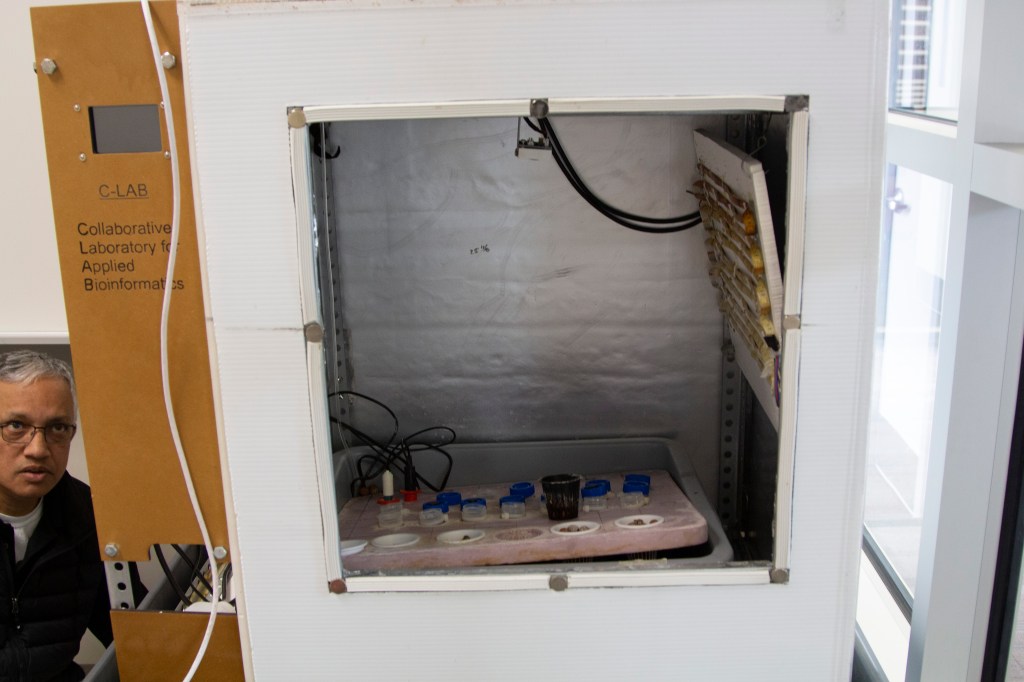
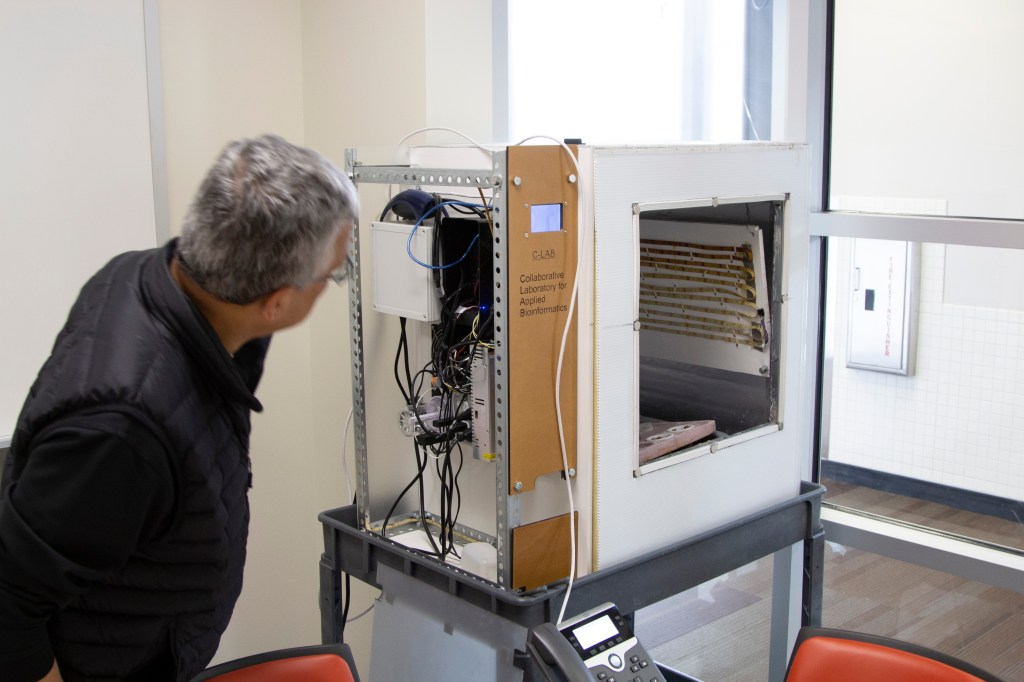
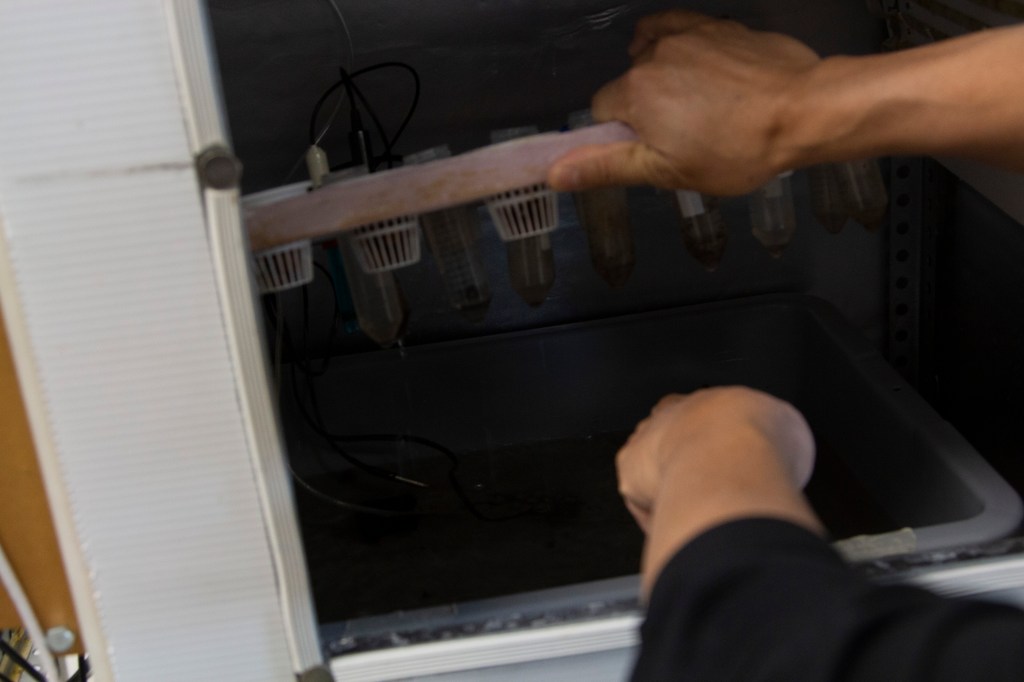
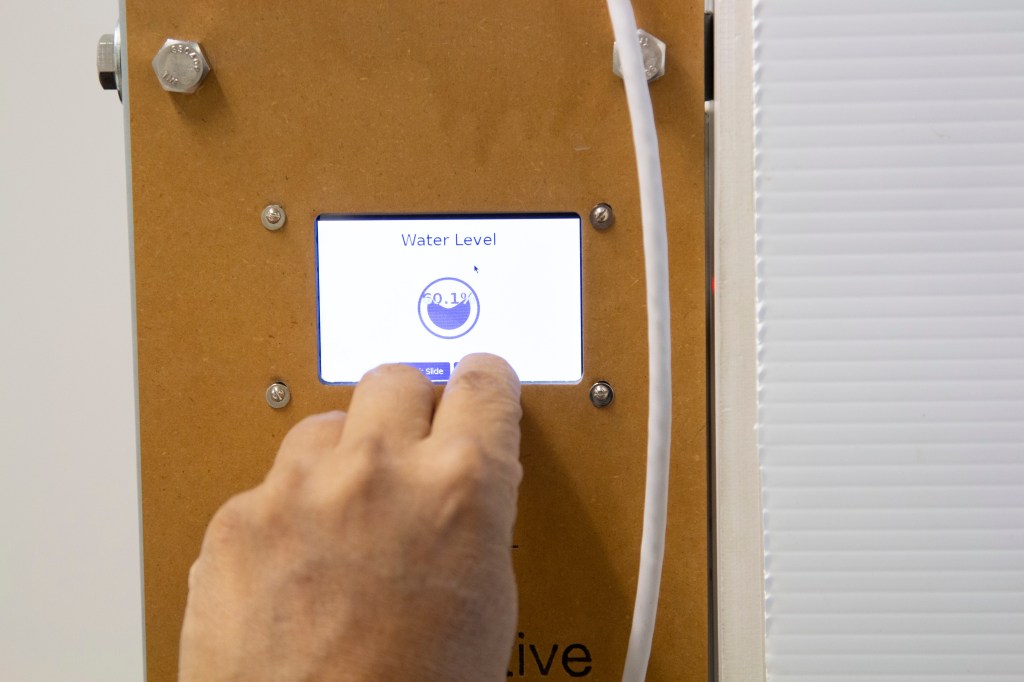
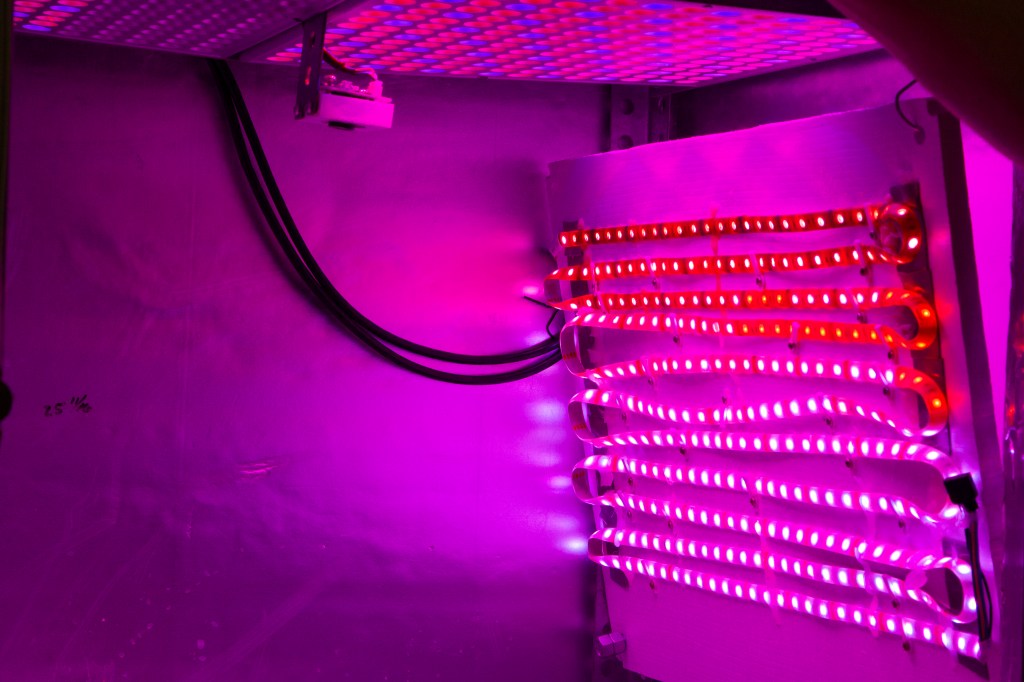
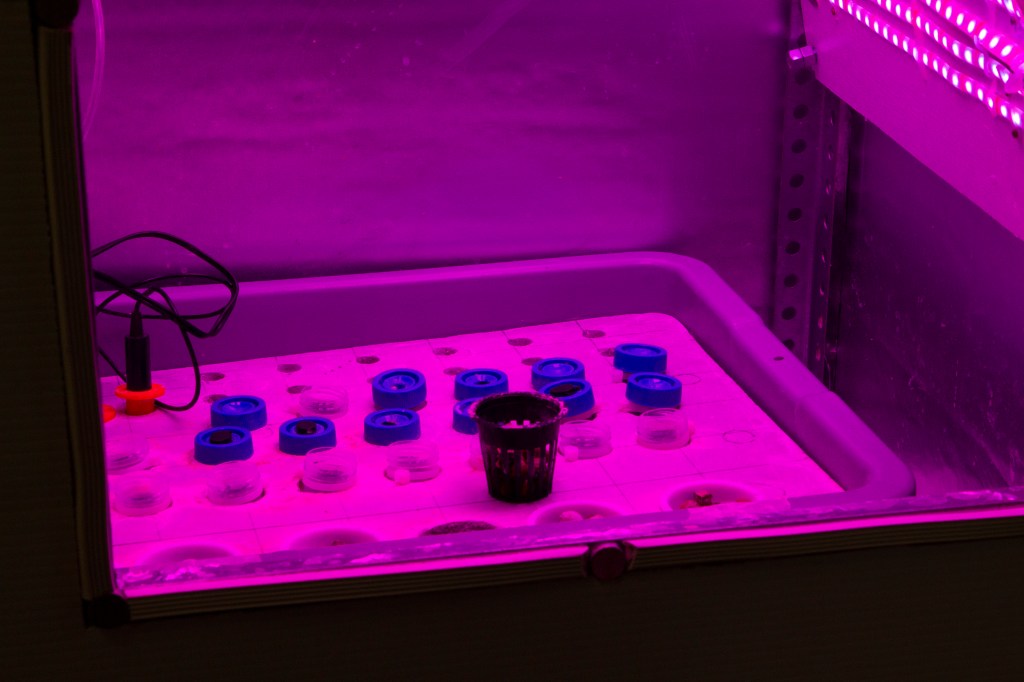
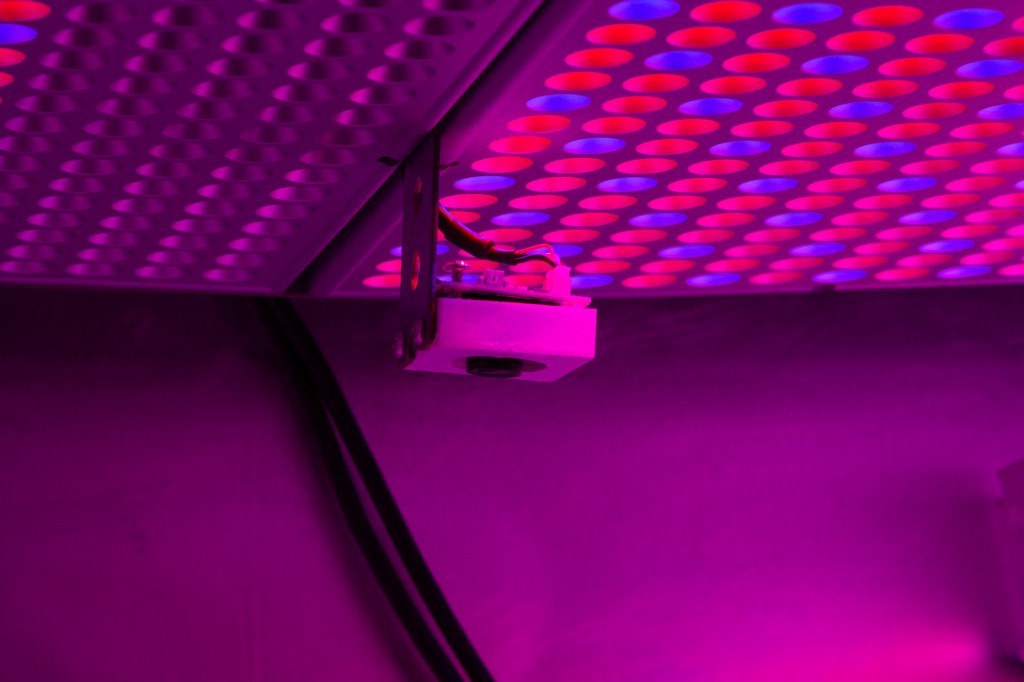
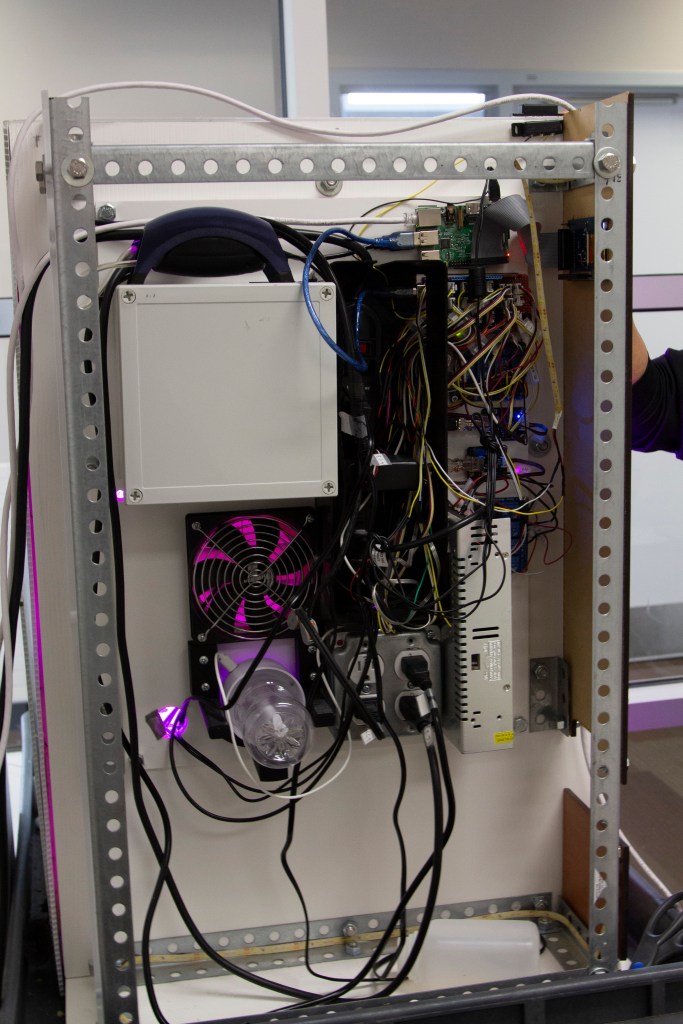
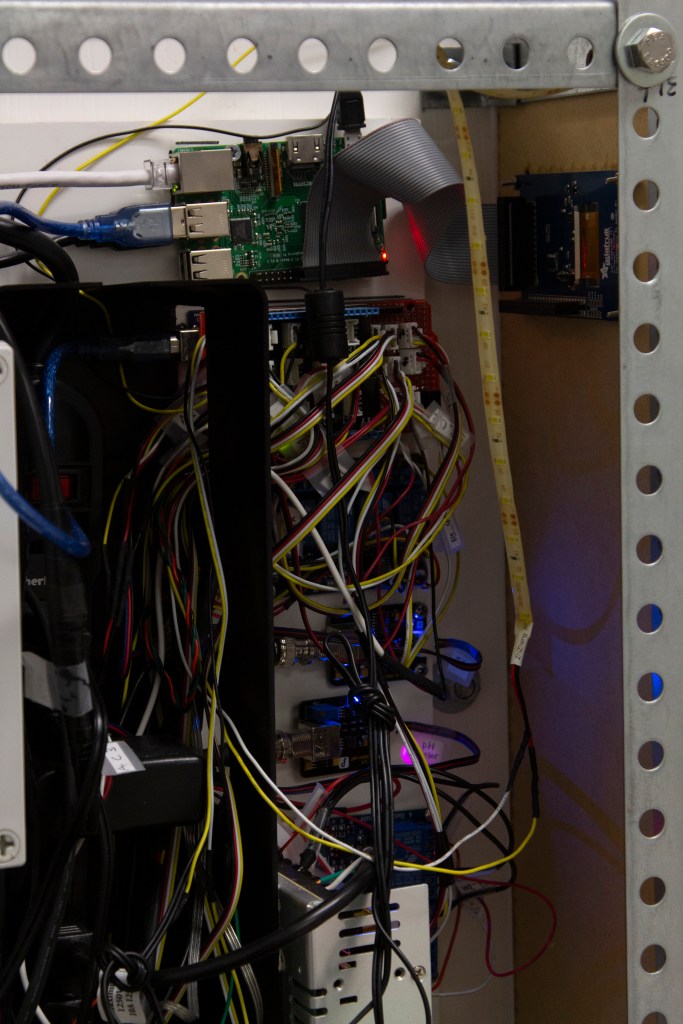
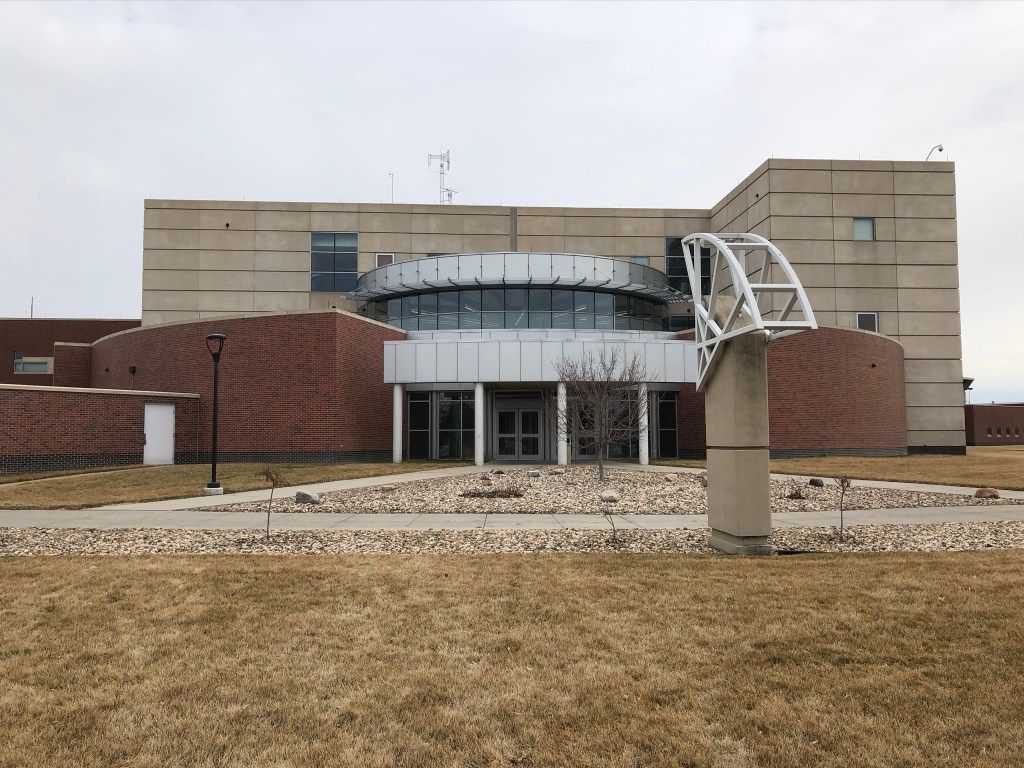
The food printer is roughly a 3 foot cube that was created by PhD. Dhundy Bastola for only about $300. It creates an optimal environment for plants to be grown, observed, and tested.Bastola examines the printer during the start up process to make sure all the systems are working correctly.The food printer is based upon a hydroponic style of growing crops. Oxygen and nutrients are pumped into the the water stimulating plant growth.Applying settings for the food printer is done via a small touch screen display. Sensor readouts are also displayed on the panel.Specific light is provided for plants via led strip lights. These lights are energy efficient and provide an abundant amount of light speeding up the growth process.Plants are placed in small water permeable baskets that sit down in a chunk of Styrofoam allowing them to grow there roots directly into the water below.When the printer is activated, this camera at the top of the printer can keep an eye on the plants for remote monitoring. All data from the printer can be accessed online to ensure all is well with the plants.This tangle of wires is the control center for the whole printer. All sensor wires, power, pumps, humidifiers, and temperature controllers are all stored on this side of the printer.The heart of the device is the Raspberry pi computer (device at the top with the green PCB). This tinny device controls and receives all sensor input.The University of Nebraska Omaha’s Peter Kiewit Institute is where Ph.D. Dhundy Bastola conducts his work and it is home to the food printer.
 MAV Research